Understanding Sciatica: Causes, Symptoms, and Treatment Options
What is Sciatica?
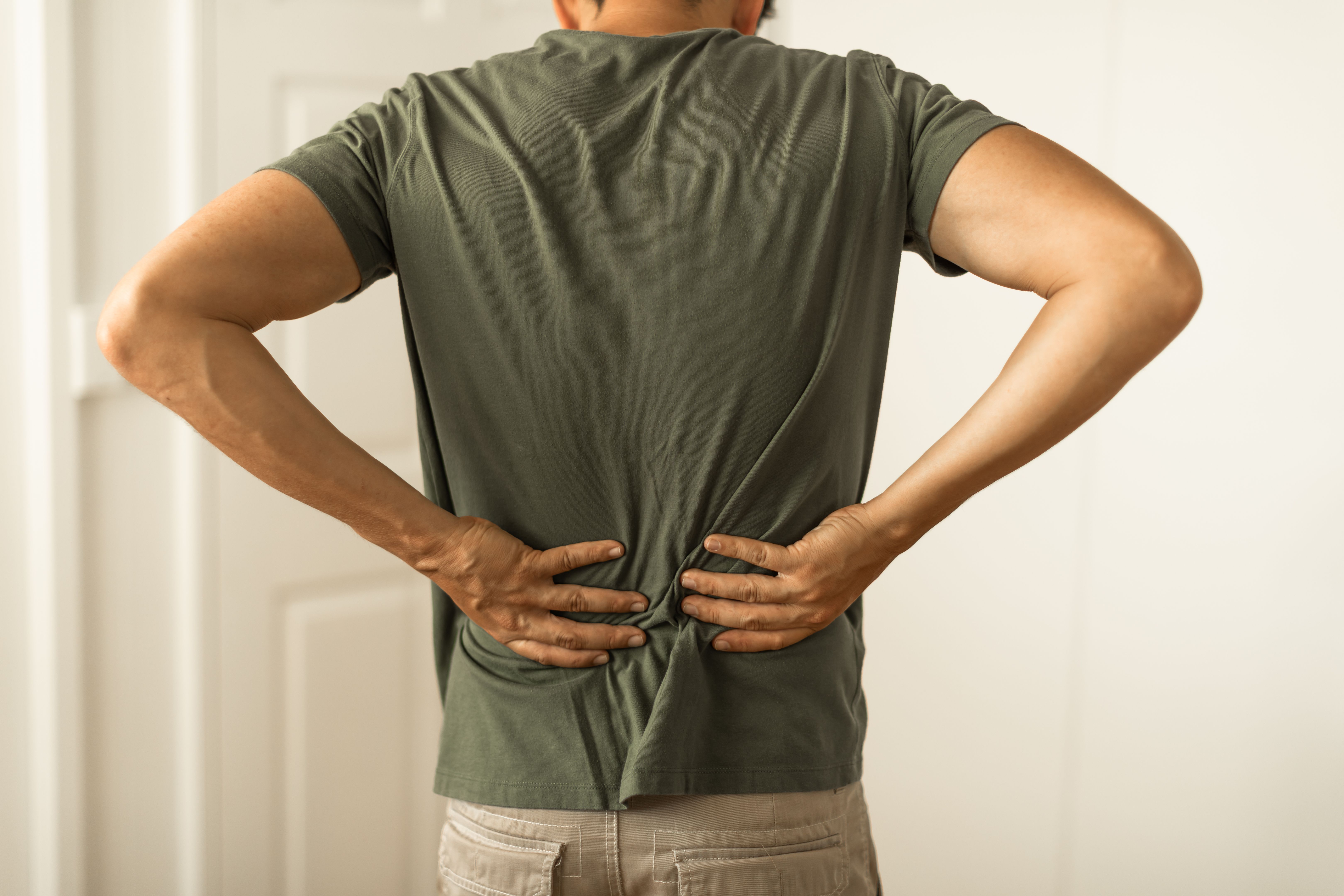
Sciatica is a condition characterized by pain that radiates along the path of the sciatic nerve, which extends from the lower back through the hips and buttocks and down each leg. It typically affects only one side of the body. Understanding sciatica is crucial as it can impact daily activities and overall quality of life.
Common Causes of Sciatica
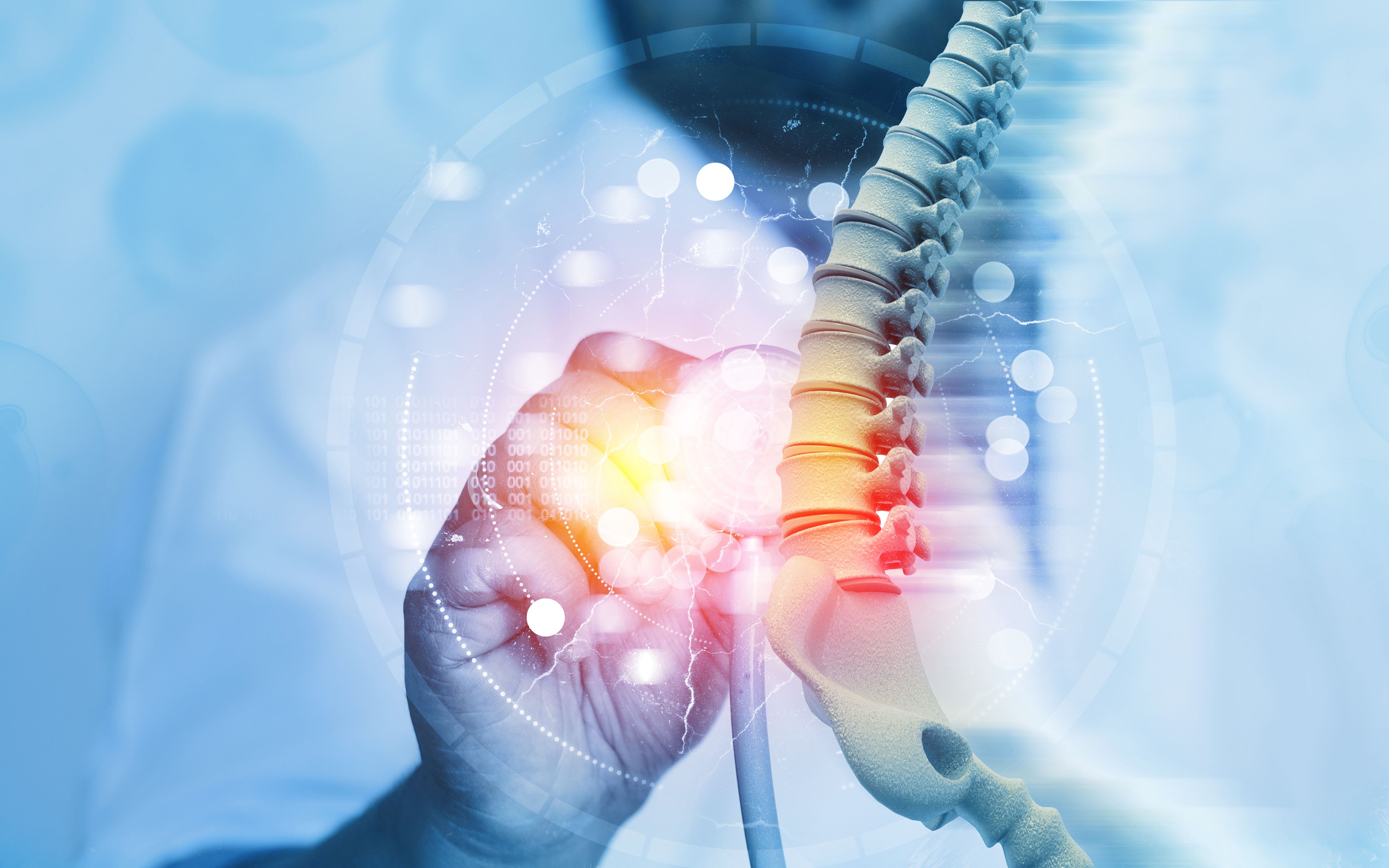
The most common cause of sciatica is a herniated disk in the spine. This condition occurs when a disk slips out of place and presses on the sciatic nerve. Other causes can include spinal stenosis, degenerative disk disease, and even pregnancy. Understanding these causes can help in preventing the condition from developing or worsening.
Risk Factors
Certain factors can increase the likelihood of developing sciatica. These include:
- Age: As we age, changes in the spine such as herniated disks and bone spurs are more likely to occur.
- Obesity: Excess body weight can contribute to spinal changes that trigger sciatica.
- Occupational Hazards: Jobs that require heavy lifting or prolonged sitting can contribute to the development of sciatica.
Recognizing Symptoms of Sciatica
The primary symptom of sciatica is a sharp pain that extends from the lower back down the back of the leg. This pain can vary in intensity and may be accompanied by numbness, tingling, or muscle weakness in the affected leg. These symptoms can worsen with prolonged sitting or sudden movements.
When to See a Doctor
While mild sciatica usually responds well to self-care measures, you should consult a healthcare professional if you experience:
- Severe pain that doesn’t improve with self-care.
- Pain following a violent injury or accident.
- Loss of bowel or bladder control.
Treatment Options for Sciatica
There are several treatment options for managing sciatica, ranging from self-care measures to surgical interventions. The appropriate treatment depends on the severity of the symptoms and the underlying cause of the condition.
Non-Surgical Treatments
Most cases of sciatica can be treated without surgery. Common non-surgical treatments include:
- Physical Therapy: Exercises to improve posture and strengthen the muscles supporting the back.
- Medications: Pain relievers, anti-inflammatory drugs, and muscle relaxants.
- Alternative Therapies: Acupuncture and chiropractic adjustments can provide relief for some individuals.
Surgical Options
If non-surgical treatments do not alleviate the symptoms, surgical options such as a microdiscectomy or laminectomy may be considered. These procedures aim to relieve pressure on the sciatic nerve.

Understanding sciatica, its causes, symptoms, and treatment options can empower individuals to seek appropriate care and make informed decisions about their health. Early intervention and proper management are key to alleviating pain and improving quality of life.